The Reality of Achieving Piano Technical Mastery at Any Age
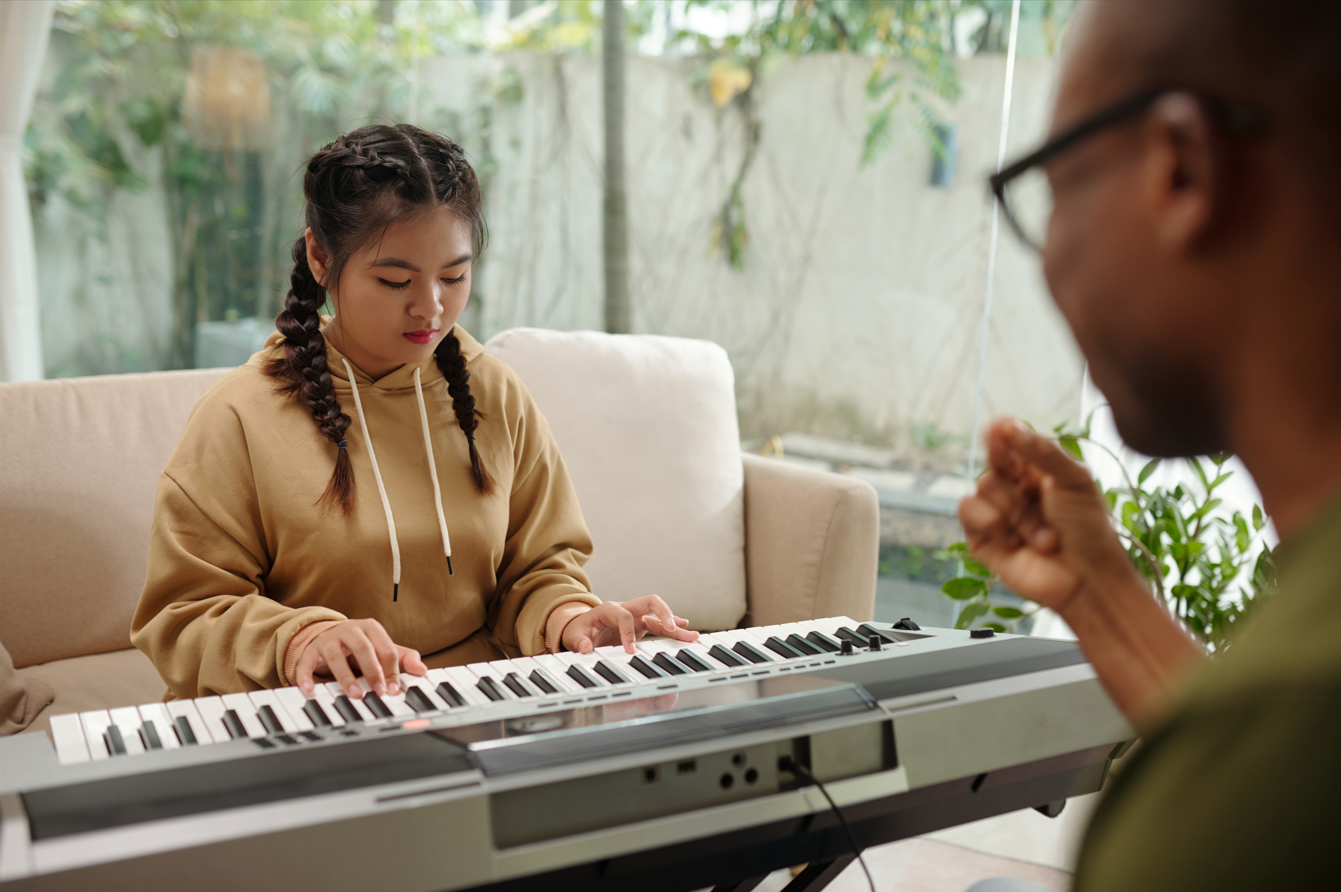
Mastering an instrument is a deeply rewarding journey, but it requires a realistic understanding of how the body and mind adapt to new physical demands. Anyone seeking high-level piano technique lessons must be prepared to commit to a structured, patient learning process.
At Tribeca Music Studio, we believe in setting honest expectations for our students, allowing them to enjoy consistent progress without unnecessary frustration. Understanding the true timeline of skill development allows you to focus on steady, meaningful improvement rather than quick fixes.
Inside This Guide:
- The Physical Reality of Finger Strength and Speed
- The Myth of the Overnight Virtuoso
- How Consistent Practice Shapes Muscle Memory
- Frequently Asked Questions
The Physical Reality of Finger Strength and Speed
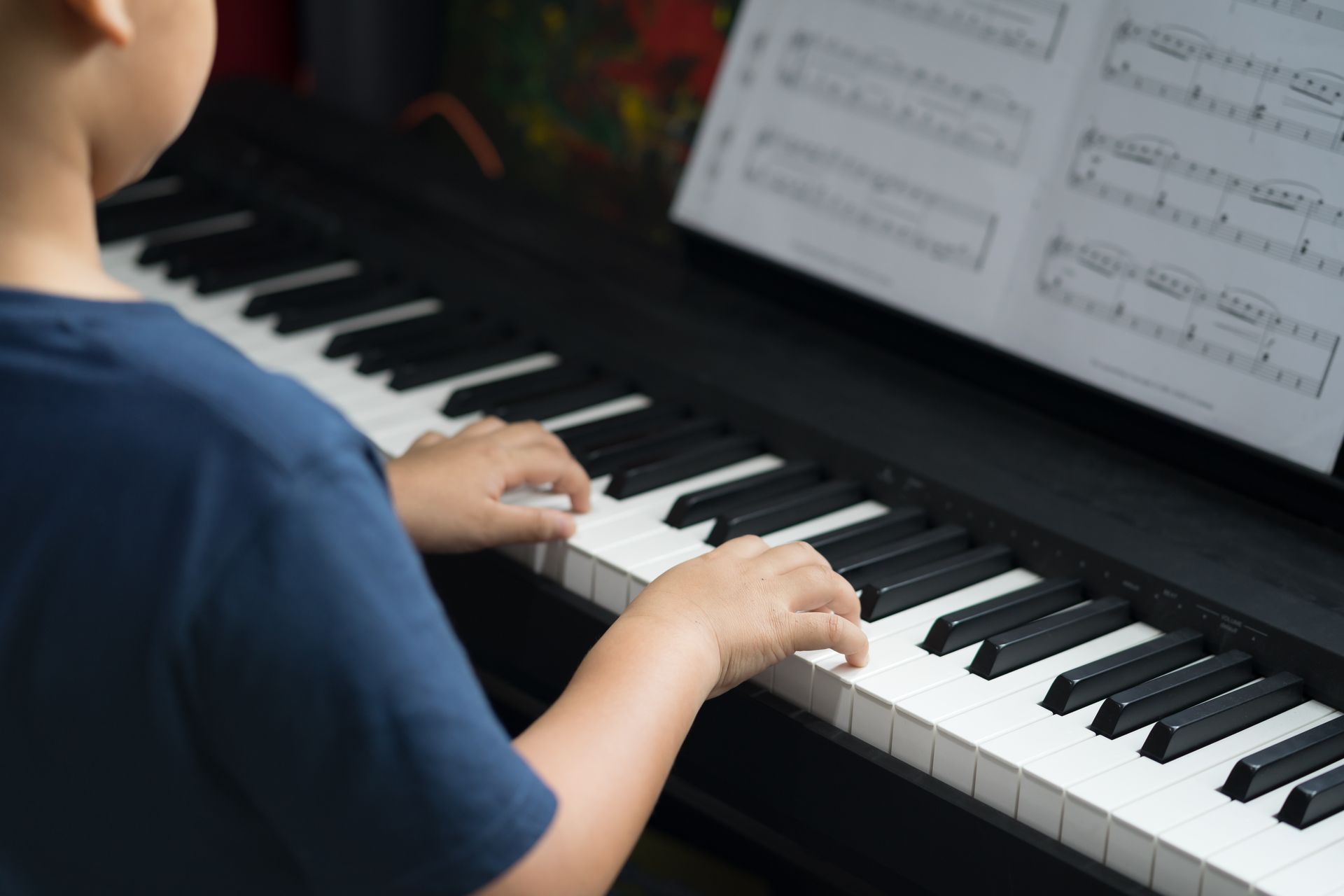
Developing the physical ability to play complex passages quickly and evenly is a matter of athletic conditioning for your hands. Beginners often expect their fingers to move rapidly right away, but the tendons and small muscles in the hands must be trained gradually. Proper technique involves learning to use arm weight rather than straining the fingers, which prevents injury and builds genuine power on the keyboard.
Technical mastery includes practicing octaves, double thirds, trills, and arpeggios at varying speeds over an extended period. This process physically alters your hands' capability over months and years, leading to the fluid, legato touch required for advanced repertoire. Attempting to force speed before the hands are ready often results in stiff, uneven playing.
→ A quick tip to remember: Finger speed is a byproduct of absolute physical relaxation, not forced muscular tension.
The Myth of the Overnight Virtuoso
A common overestimation among new music enthusiasts is that learning the basic notes of a piece means they have mastered the song. In reality, reading the notes is just the bare minimum beginning of the musical process. True artistry requires layering dynamics, phrasing, and historical context onto the basic notes, which takes significant time to internalize and execute properly.
Conversely, some learners underestimate their own potential, assuming that if they do not sound perfect in a few weeks, they lack natural talent. Musical talent is largely a product of disciplined, repetitive practice guided by an expert ear. Acknowledging that progress is measured in seasons rather than days keeps you grounded and motivated to continue your studies.
→ From a professional standpoint: Patience and consistency are the most important skills you can bring to the keyboard.
How Consistent Practice Shapes Muscle Memory
The human brain requires consistent, daily repetition to forge the neural pathways necessary for playing an instrument fluidly. Practicing for a few minutes every single day is vastly more effective than cramming for hours once a week. This daily touch reinforces spatial awareness on the keyboard, allowing your hands to eventually find chords and leaps without looking down.
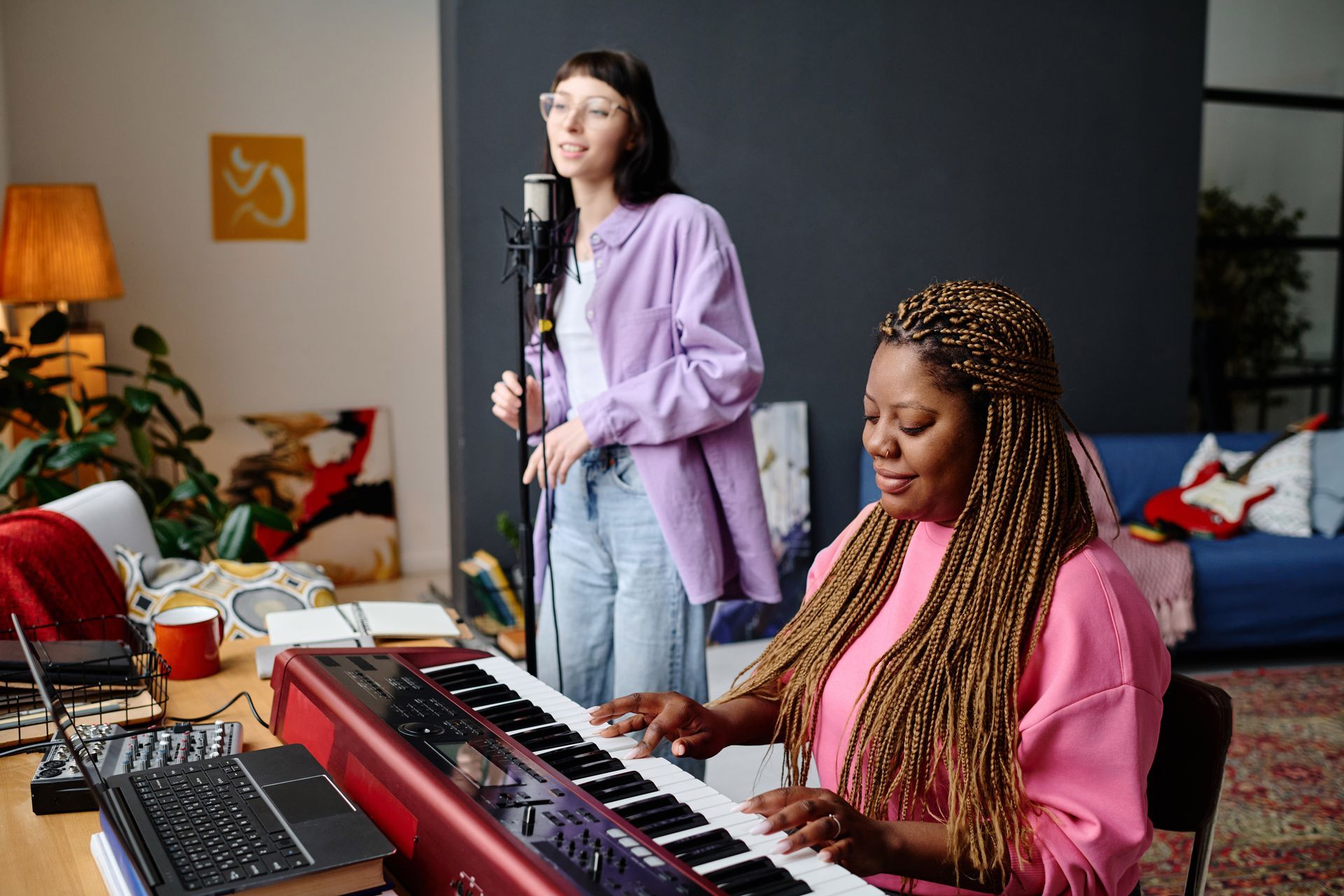
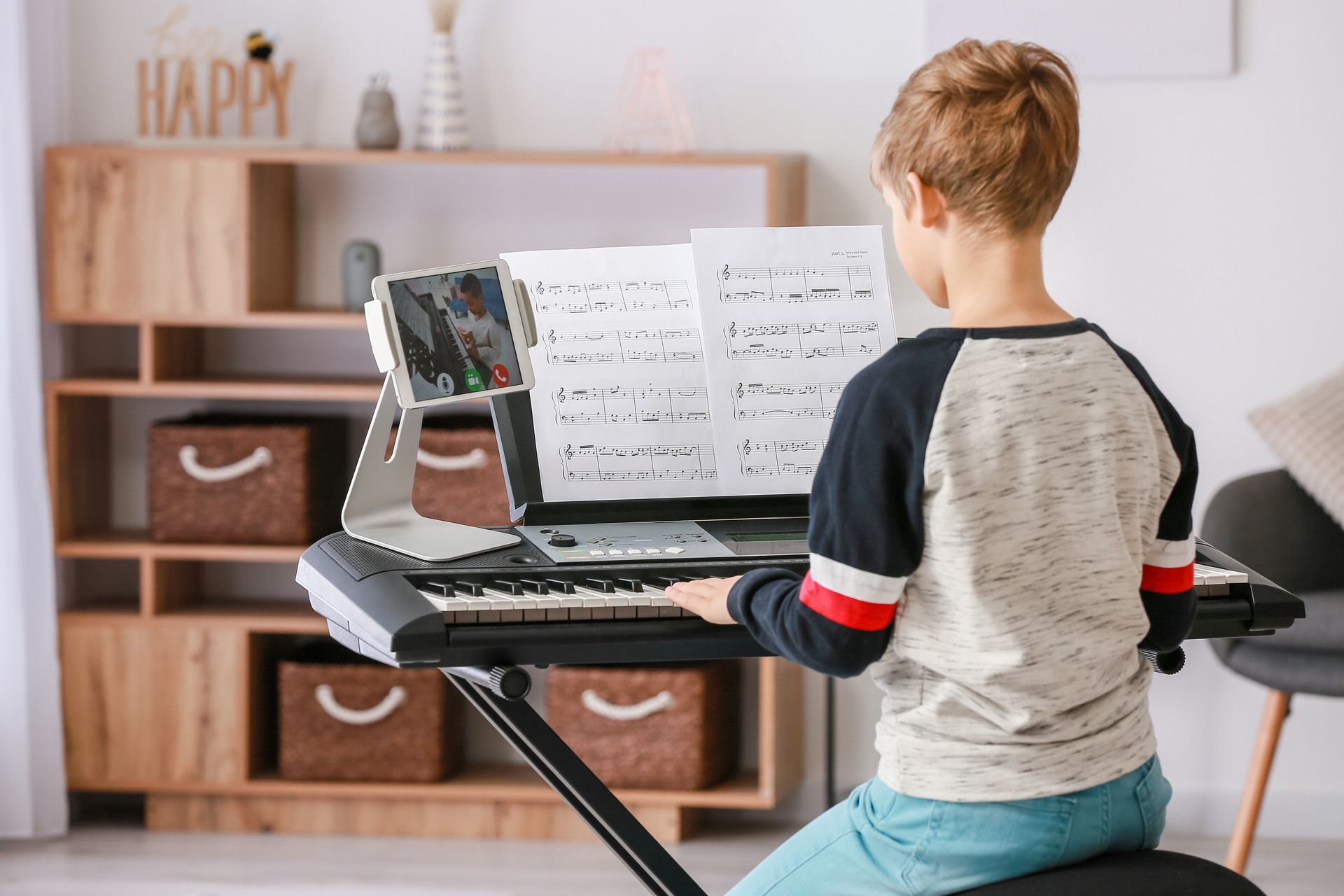
Whether you are studying online piano lessons or exploring vocal coaching, regular practice builds an unbreakable foundation. As muscle memory takes over the mechanical aspects of playing, your mind is finally free to focus on emotional expression and musical interpretation. Without that regular repetition, learners spend most of their lesson time simply relearning what they forgot from the week before.
Frequently Asked Questions
How Long Does It Take To Play Piano Fast?
Achieving high speeds on the keyboard typically takes several years of dedicated, daily practice focused on proper mechanics. Speed is the result of eliminating unnecessary tension and perfecting your hand position so that every movement is highly efficient. Rushing the process before establishing relaxation will only lead to uneven playing and potential tendon strain.
Can Older Adults Develop Finger Strength?
Yes, older adults can absolutely develop strong, agile fingers through consistent, technical exercises and proper guidance. While the physical conditioning might take slightly longer than it would for a child, adult learners benefit from better focus and an intellectual understanding of anatomy. The key is regular, mindful practice that respects the body's physical limits while gently expanding them.
Why Are Piano Scales Important?
Scales are the foundational vocabulary of all Western music, familiarizing your hands with the specific patterns found in almost every piece you will ever play. Practicing scales daily builds finger independence, evens out your tone, and deeply ingrains the geographic layout of different musical keys. They are the essential warm-up that prepares your hands for the physical demands of complex repertoire.
Commit to Your Musical Growth
Real musical achievement is built on a foundation of honest effort, proper technique, and expert guidance. For those in Tribeca, ready to embrace the true journey of learning an instrument, the rewards of long-term study are immense. Reach out to schedule a lesson and begin building technical skills that will serve you beautifully for a lifetime.