Correcting Hand Posture to Prevent Injury During Piano Study
Improper hand placement during practice often leads to unnecessary pain and severely limits a musician's playing speed. At Tribeca Music Studio, we emphasize that expert piano posture correction is the most effective way to ensure long term health and agility on the keyboard.
Playing an instrument should never cause chronic discomfort or sharp pain in your joints. By analyzing your physical approach to the keys, experienced instructors can adjust your mechanics to produce a better sound with a fraction of the effort.
In This Article:
- The Physical Toll of Flat Fingers
- Why Solitary Tutorials Often Make Posture Worse
- Correcting Wrist Angles for Fluid Movement
- Why Do My Hands Hurt When Playing Piano?
The Physical Toll of Flat Fingers
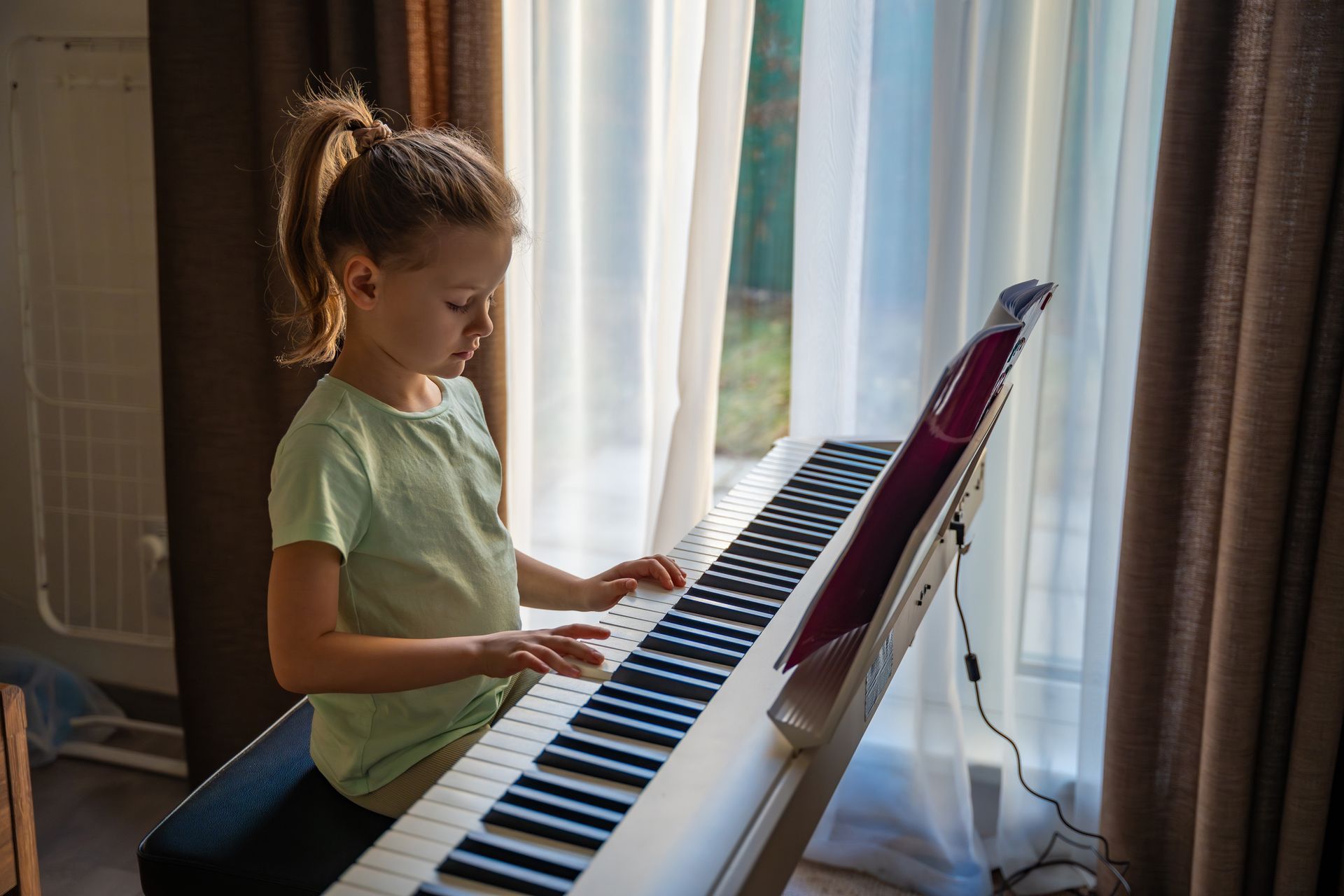
Many beginners naturally let their fingers collapse flat against the keys, attempting to press down with the pads rather than the tips. This collapsed position forces the small tendons in the hand to work exponentially harder to depress the keys, leading to rapid fatigue and sloppy phrasing. A proper, curved hand shape utilizes the natural arch of the fingers, directing arm weight efficiently into the keyboard without straining delicate muscles.
When the knuckles cave in, the structural integrity of the hand is compromised, making techniques like double thirds or fast arpeggios nearly impossible. Expert teachers immediately address this structural weakness, guiding learners to imagine holding a small ball under their palms. This simple physical adjustment instantly increases both playing power and dynamic control.
→ A quick tip to remember: Your knuckles should form a strong, supportive bridge rather than dipping below the level of your fingers.
Why Solitary Tutorials Often Make Posture Worse
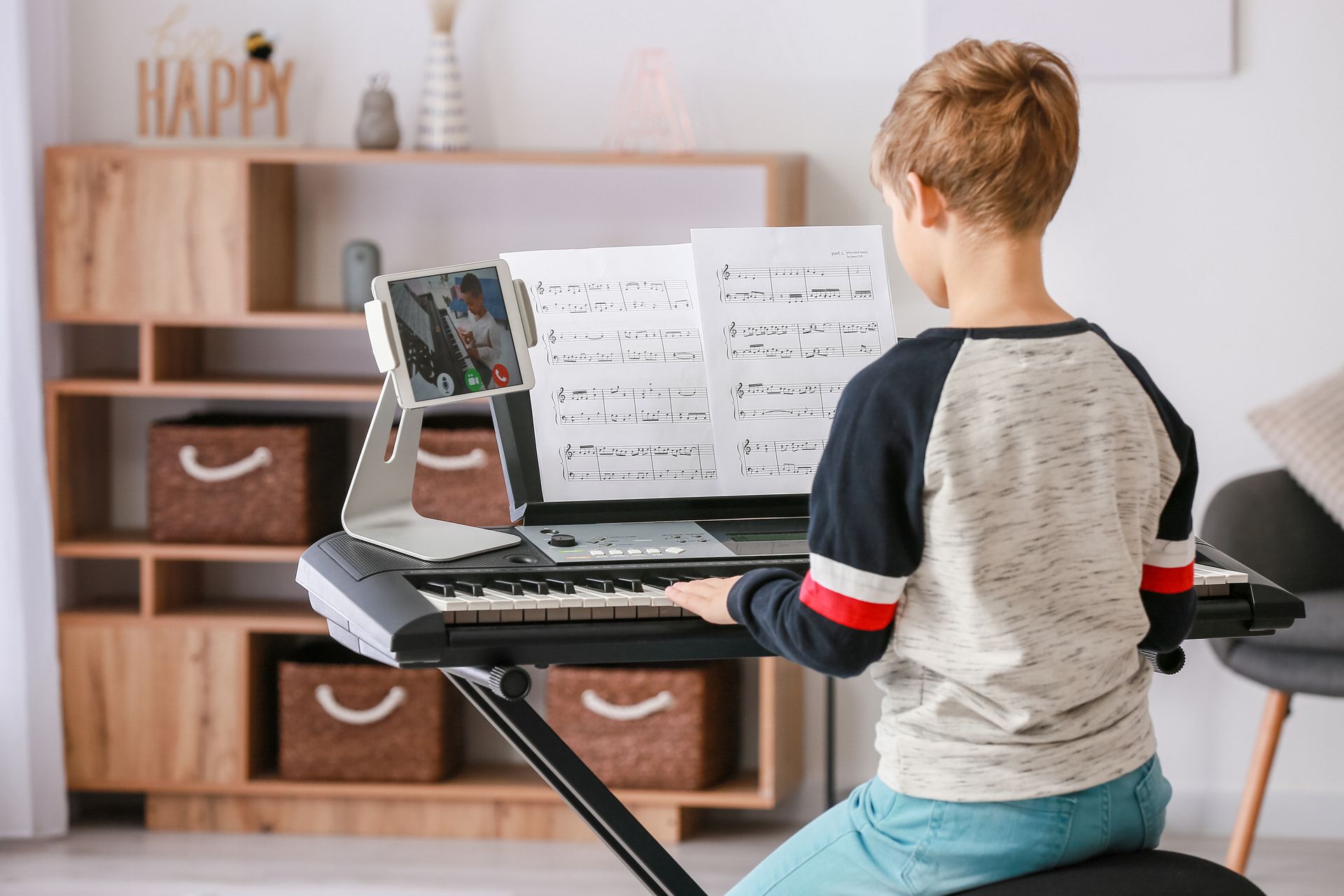
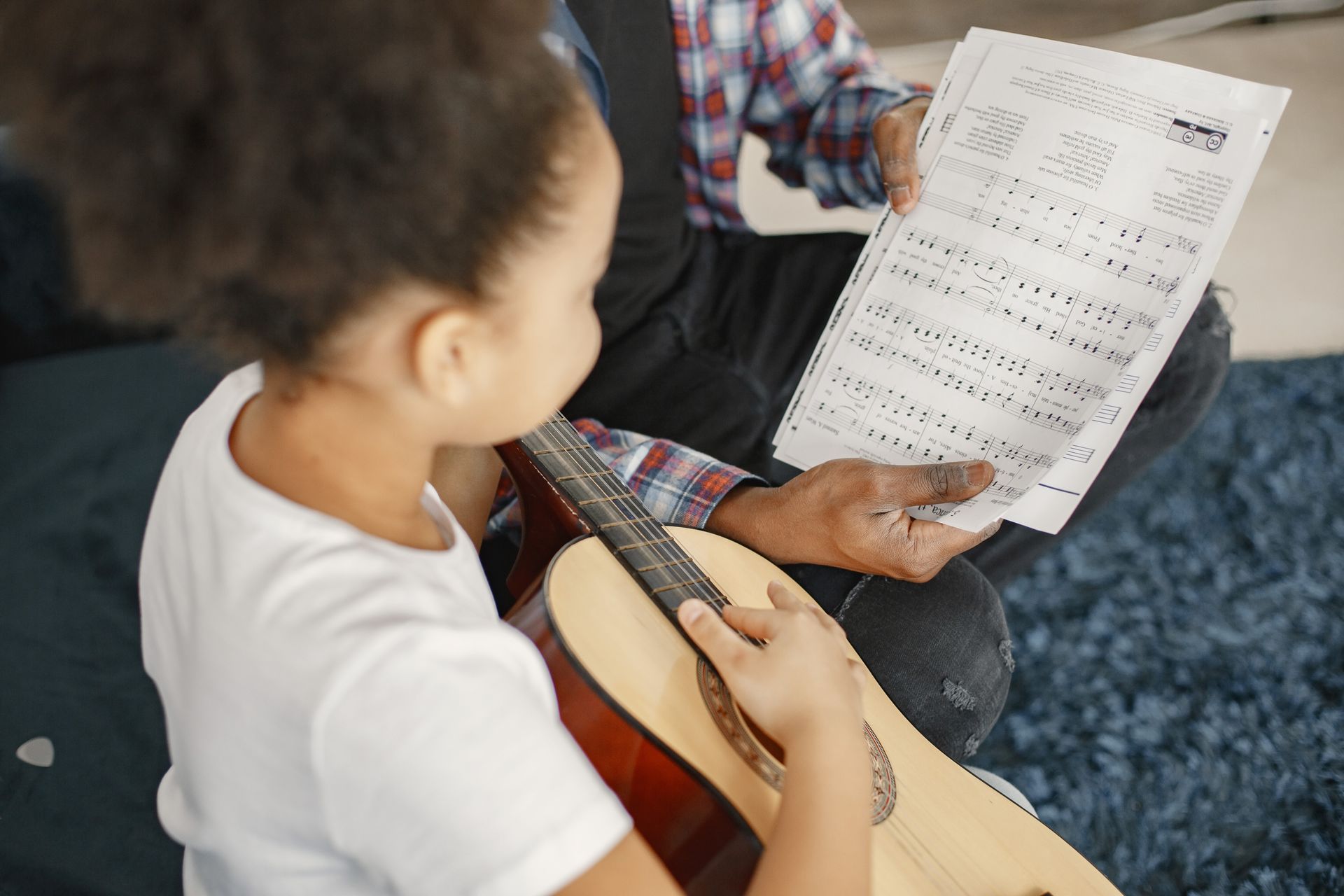
Attempting to learn complex mechanical movements from a screen is incredibly risky because apps cannot evaluate your physical tension. Video tutorials focus entirely on which notes to play, completely ignoring how your body is actually interacting with the instrument. Without a trained professional watching your hands, you are likely to compensate for weak fingers by locking your elbows or tensing your shoulders.
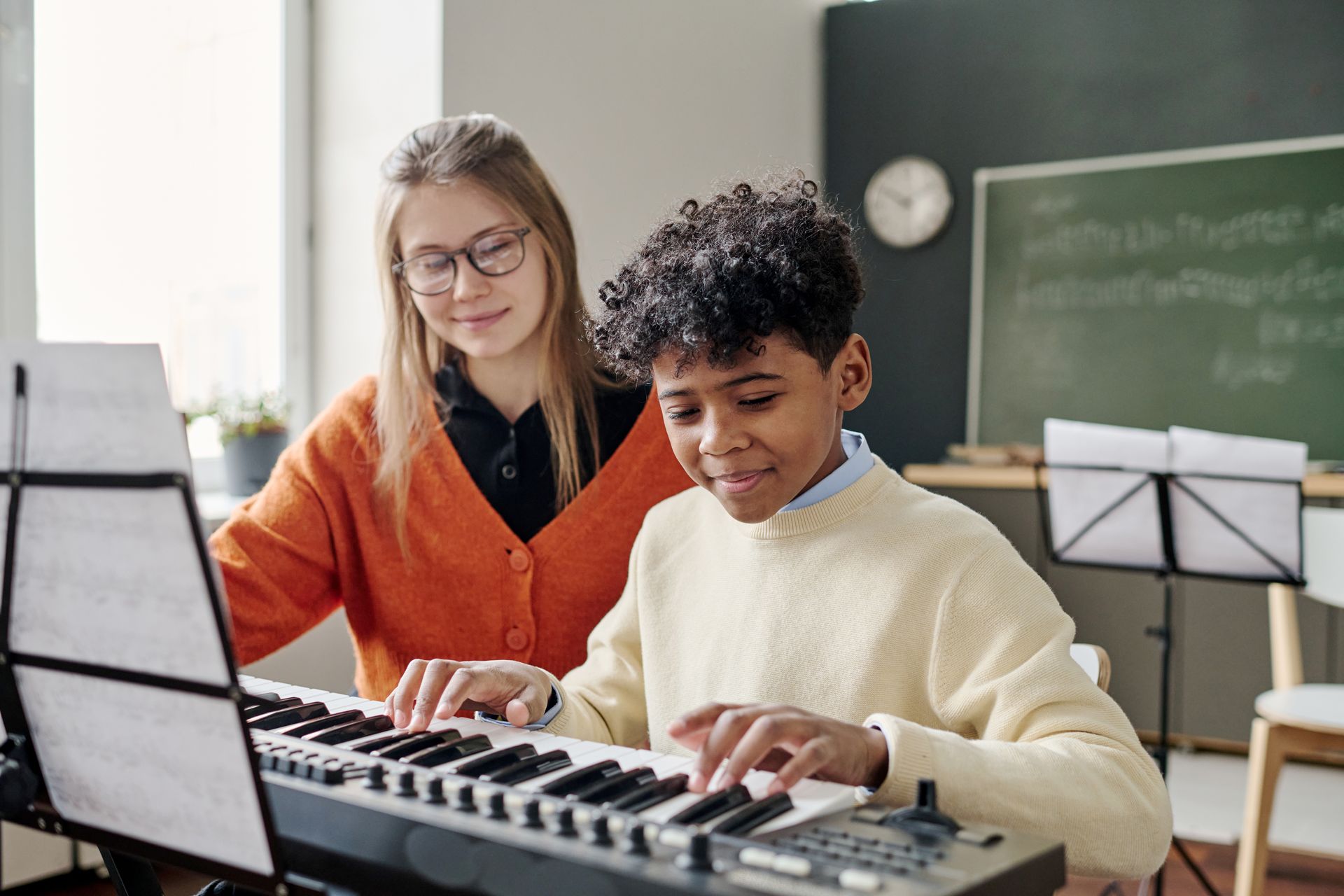
These solitary attempts commonly make the situation much worse because the learner repeats harmful motions thousands of times, baking them into muscle memory. By the time pain finally develops, the bad habits are deeply ingrained and require months of careful unlearning. An experienced teacher intervenes during the very first lesson, ensuring your technique develops safely and naturally.
→ From a professional standpoint: Unlearning a painful physical habit takes twice as long as learning the correct posture from day one.
Correcting Wrist Angles for Fluid Movement
A rigid, locked wrist acts as a physical roadblock, preventing the natural flow of energy from your arms into the piano. Beginners often drop their wrists far below the level of the keys or hike them up rigidly, both of which pinch nerves and limit lateral movement. Finding a neutral, flexible wrist position allows your hands to glide smoothly across the octaves for a beautiful, legato touch.
Whether you are enrolled in traditional piano lessons or exploring our voice lessons, bodily awareness is the foundation of good musicianship. Adjusting the height of your piano bench is usually the first critical step in aligning your wrists correctly with the keyboard. Proper seating distance ensures your arms remain relaxed and your hands can navigate the entire instrument effortlessly.
Why Do My Hands Hurt When Playing Piano?
Hand pain during piano practice is almost always a direct result of improper technique, specifically excessive muscular tension and incorrect wrist alignment. When learners try to force speed without a relaxed hand structure, the tendons become inflamed from the unnatural strain. Consistently playing with flat fingers or raised shoulders forces the body to fight against itself, turning what should be a fluid motion into a painful, mechanical struggle.
Protect Your Hands With Expert Guidance
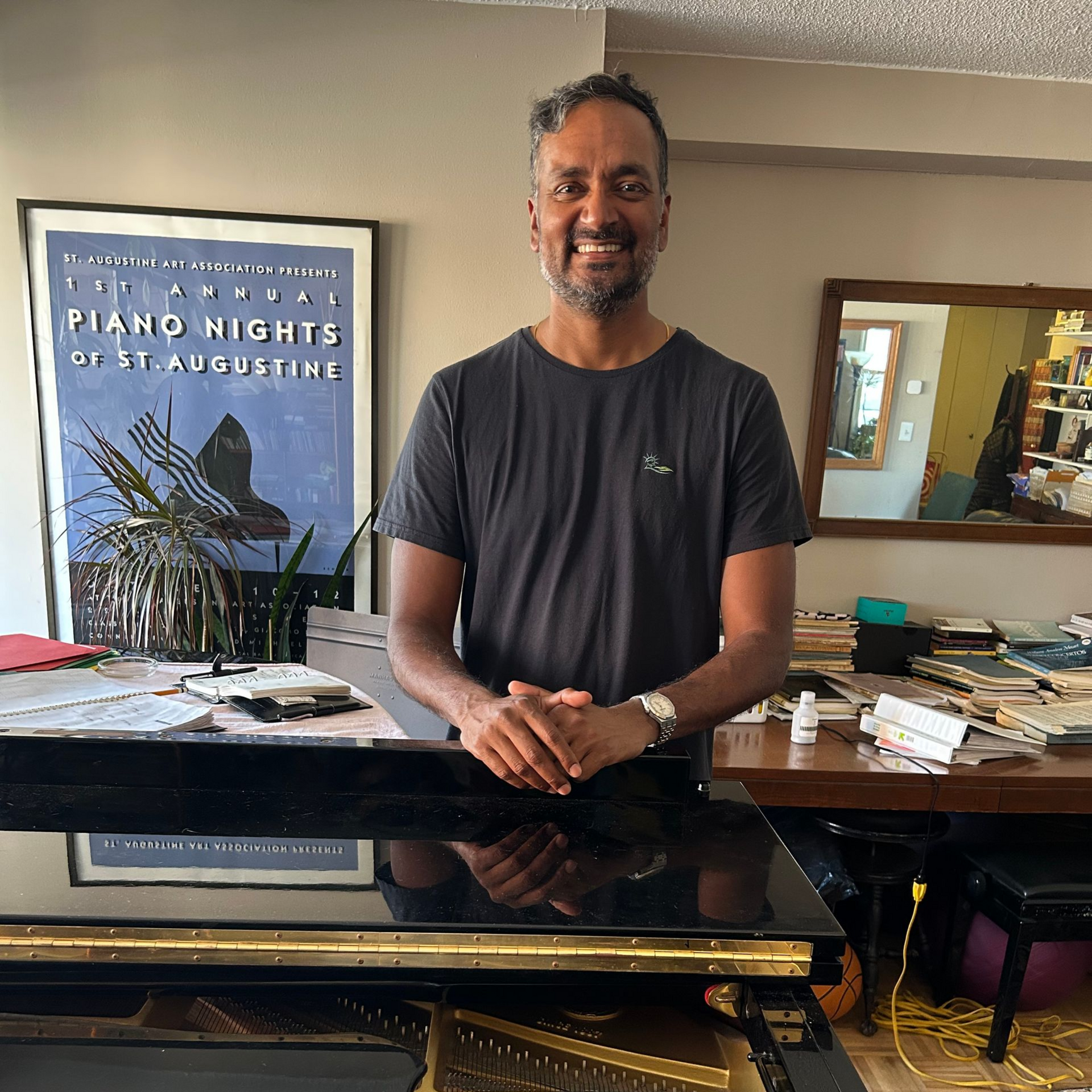
You do not have to accept physical discomfort as a normal part of learning an instrument. For learners in Tribeca, NY, personalized attention from an active performing artist guarantees that your physical mechanics are completely sound. Reach out to schedule a session and discover how proper posture can unlock your true playing potential.