Overcoming Frustration: Why Adult Piano Beginners Hit a Wall
Many adults feel a deep sense of frustration when trying to learn a new instrument later in life, often feeling like their hands simply will not cooperate. At Tribeca Music Studio, we know that the right approach to adult piano lessons can quickly replace those early roadblocks with genuine musical progress.
Taking that first step requires an instructor who understands the unique physical and cognitive hurdles adult learners face. Proper guidance ensures you build a strong mechanical foundation immediately, saving you from months of unlearning bad habits.
What We Cover:
- The Physical Trap of Tension and Poor Posture
- Why Solitary Methods Build Bad Habits
- The Importance of Immediate Keyboard Practice
- Can Adults Learn Piano Without Reading Music First?
The Physical Trap of Tension and Poor Posture
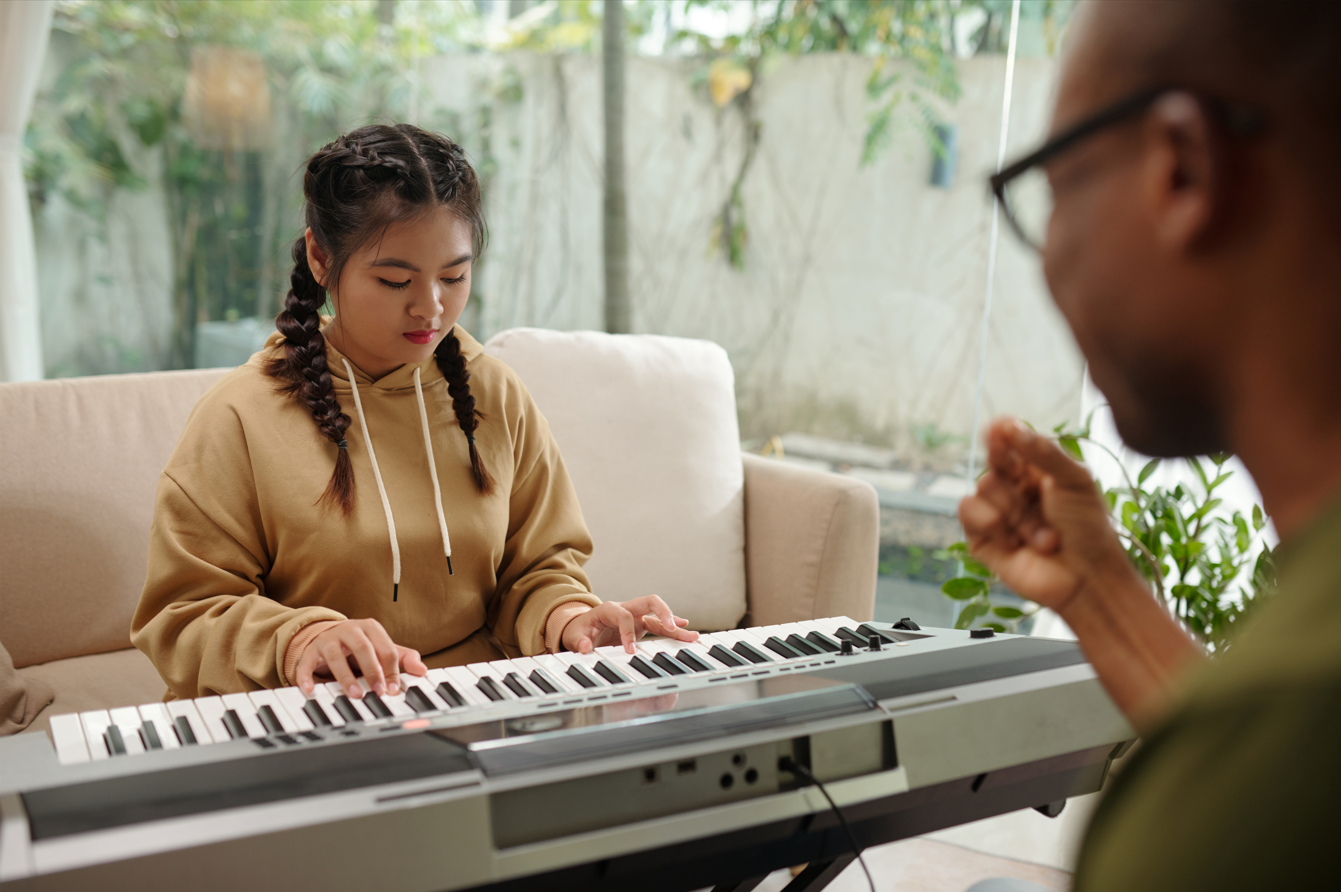
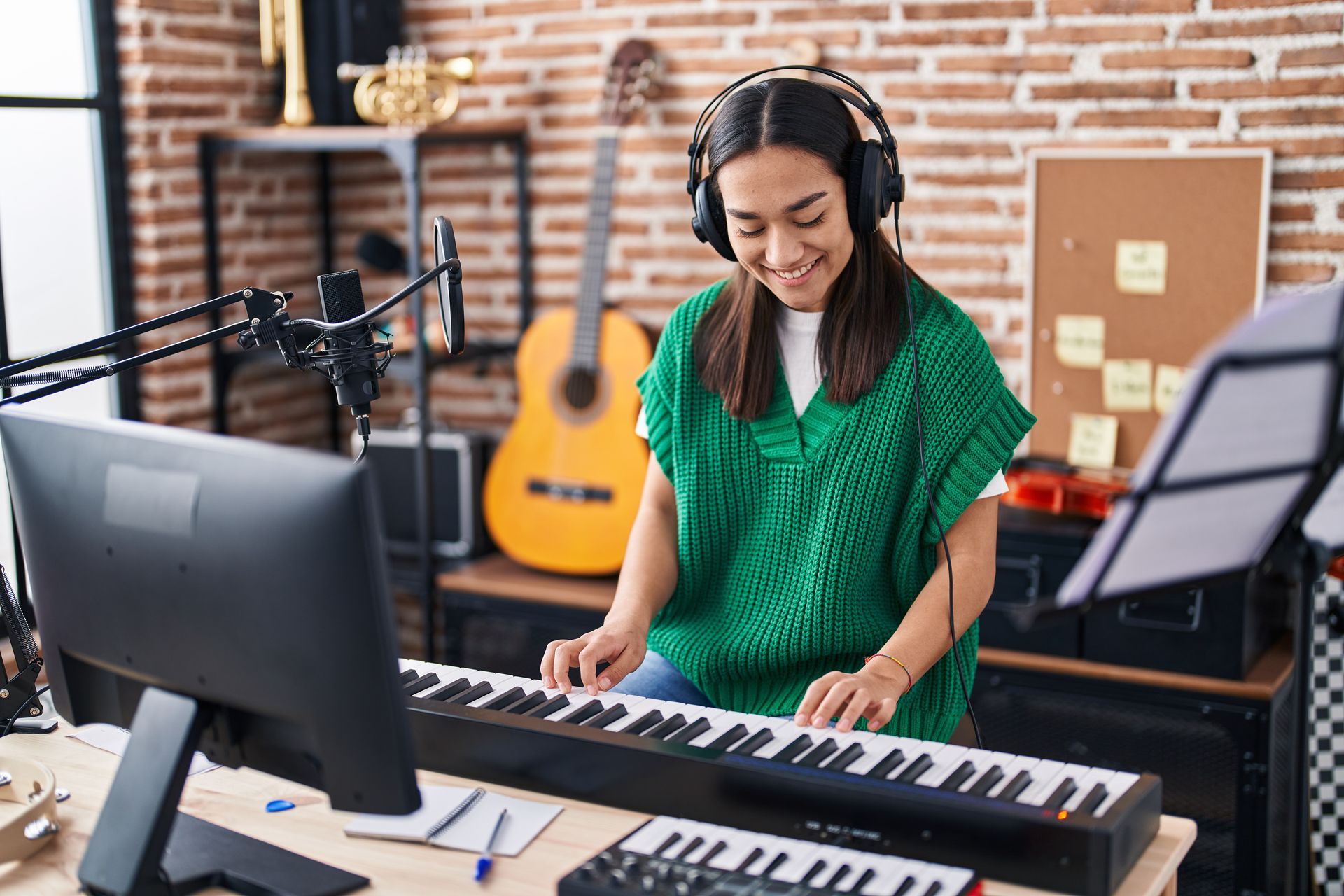
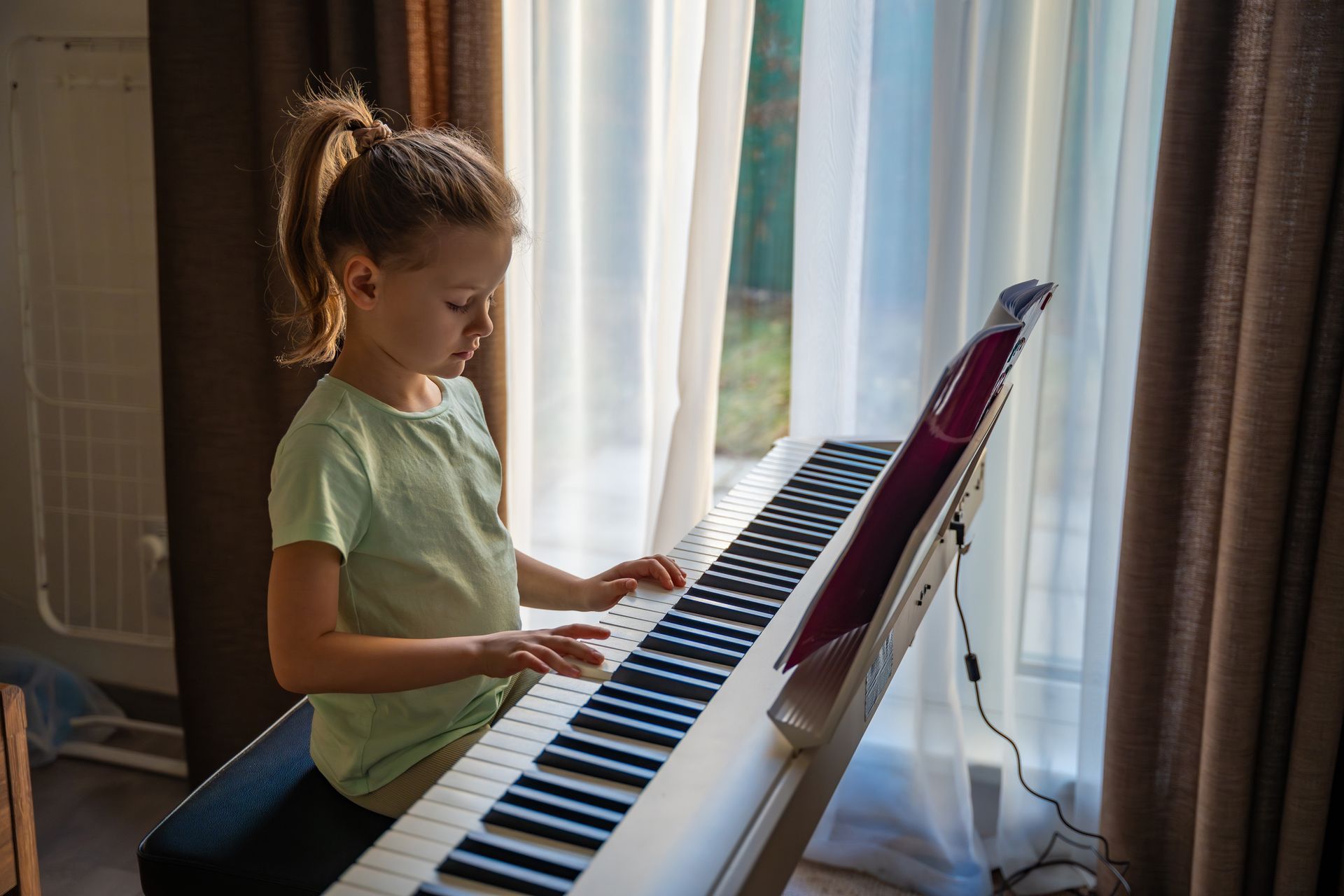
Adults frequently approach the keyboard with stiff shoulders and locked wrists, attempting to control the keys through sheer force rather than proper technique. This ingrained physical tension severely limits finger speed and often causes unnecessary discomfort during practice sessions. Experienced instructors focus heavily on the mechanics of your touch, ensuring you play with a relaxed arm weight instead of relying on isolated finger pressure.
Learning to manage your posture early on prevents strain and allows for fluid, uninterrupted movement across the octaves. A relaxed physical approach is the only way to achieve the smooth, legato touch required for expressive classical or jazz pieces. Correcting this tension is the first major hurdle for older beginners looking to progress beyond simple melodies and block chords.
→ A quick tip to remember: Your playing power comes from a relaxed back and shoulders, not just the tips of your fingers.
Why Solitary Methods Build Bad Habits
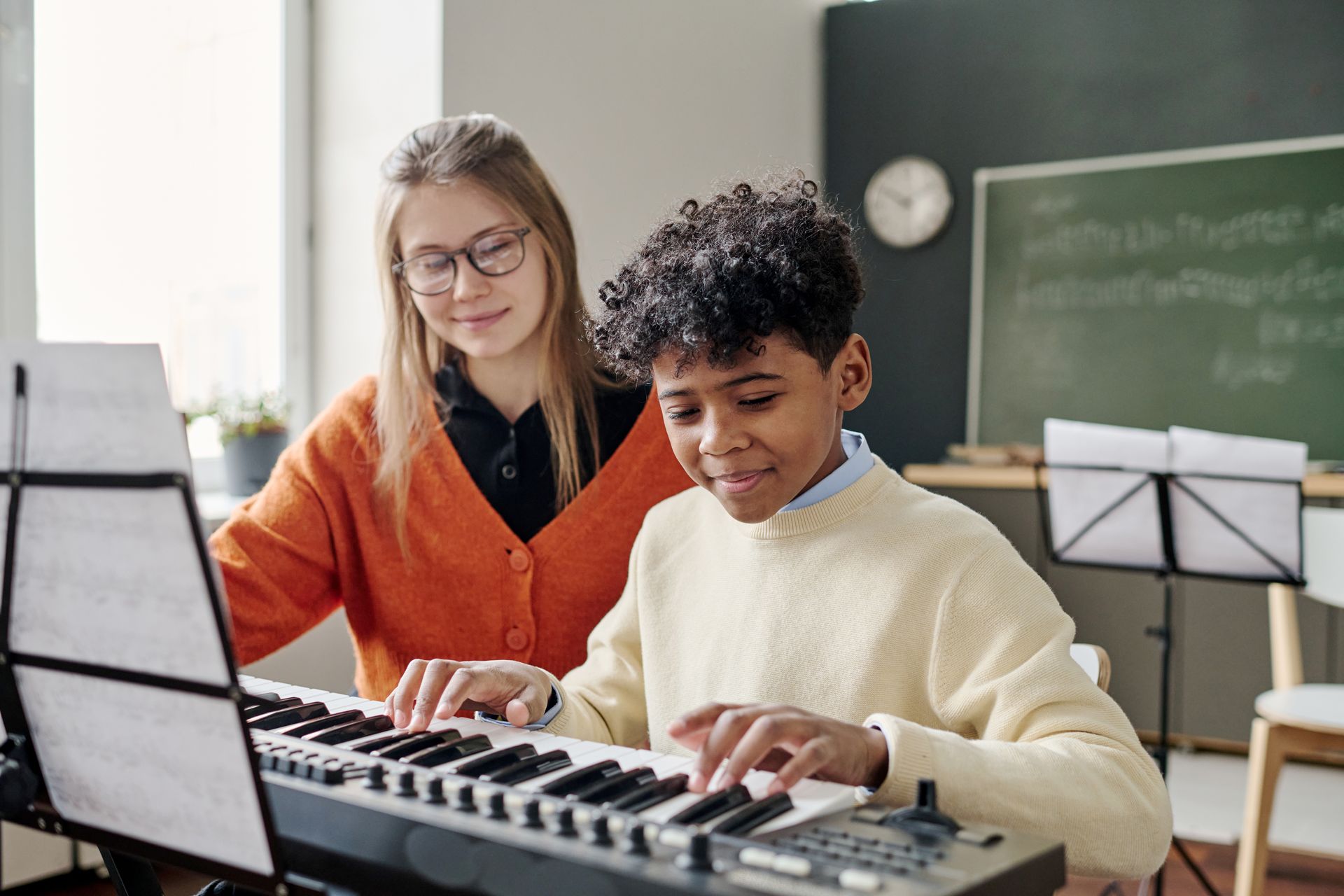
Many dedicated beginners turn to apps or video tutorials, hoping for a flexible way to learn their favorite songs on their own schedule. While these tools offer basic visual cues, they cannot provide the real-time feedback necessary to correct poor fingering choices or awkward wrist angles. Without an expert watching your physical movements, it is incredibly easy to repeat the same mistakes until they become rigid habits that are difficult to break later.
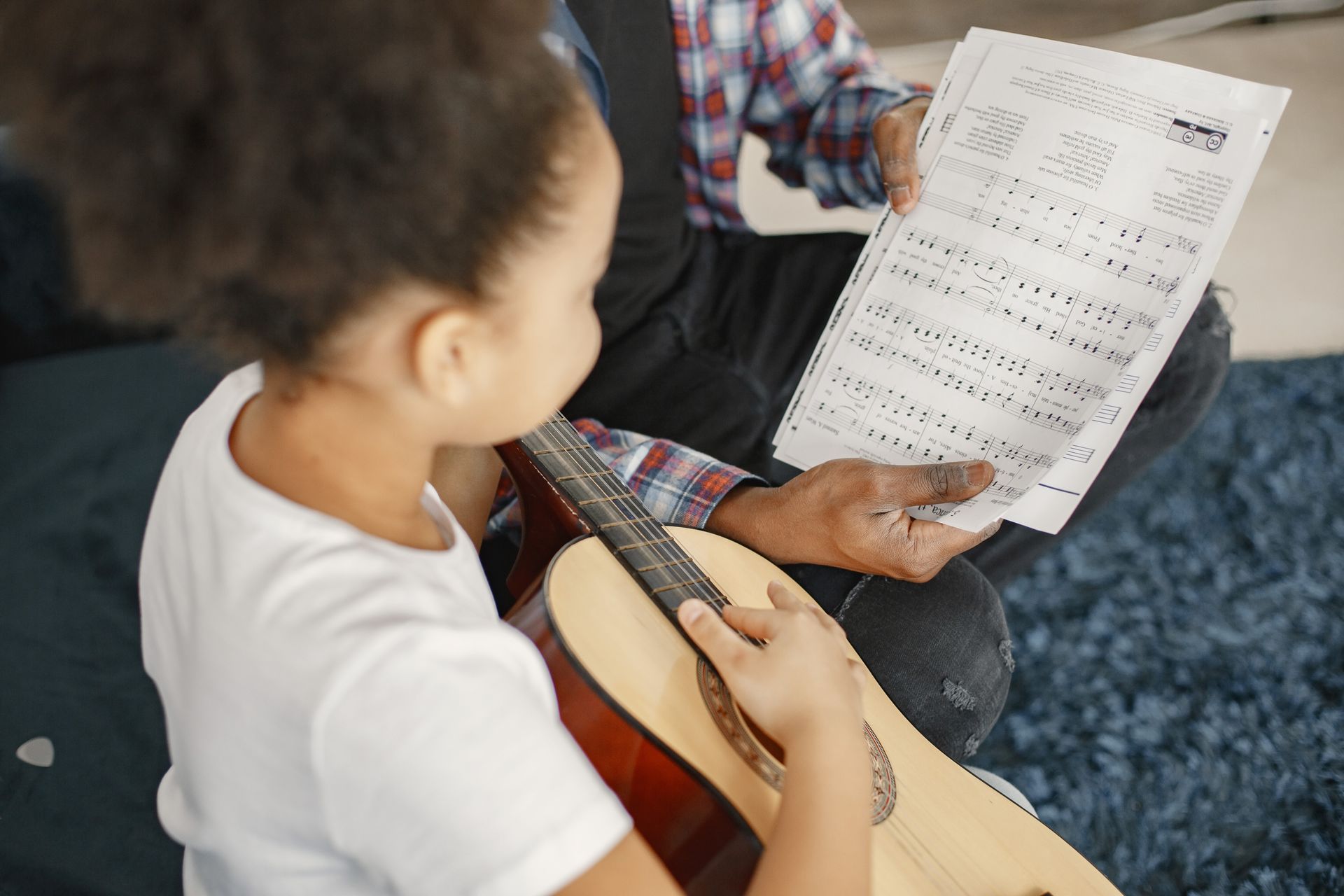
This lack of personalized feedback is precisely why solitary attempts commonly make early frustration much worse. Relying purely on screen-based tutorials often leaves students confused about functional music theory and entirely unable to read standard sheet music. A human teacher spots structural errors instantly and adjusts your technique before those errors ruin your progress.
This is something learners notice firsthand when they transition from solitary practice to guided, professional instruction. It is a pattern the team at Tribeca Music Studio hears regularly.
► Student Experience: I had a great experience learning piano as an adult beginner with Giacomo. He’s very accomplished and talented, but is also patient and good at explaining and helping with basic concepts. Most importantly, he makes learning piano fun and rewarding - Dominic Parikh.
Direct, patient feedback ensures that complex musical concepts are broken down in a way that matches an adult's specific learning style.
The Importance of Immediate Keyboard Practice
Getting your hands on the keys during the very first session is absolutely crucial for building physical spatial awareness. Instead of spending weeks just staring at notes on a page, practical exercises develop the presence and strength of your fingers immediately. This hands-on approach bridges the vital gap between understanding music theory intellectually and actually producing a beautiful sound.
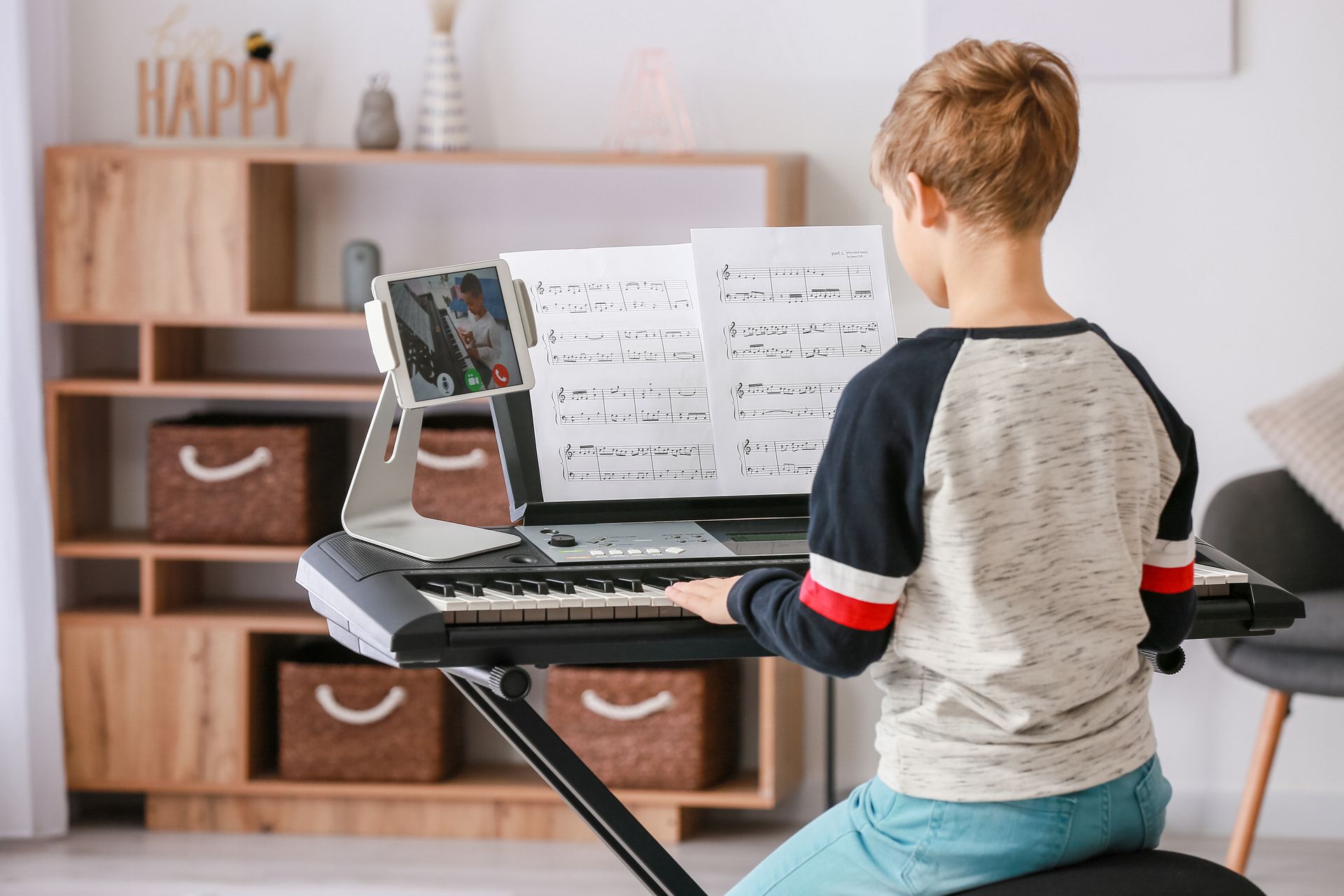
We consistently find that adults who engage physically with the instrument right away maintain their motivation much longer. Whether you take traditional in-studio sessions or opt for our online piano lessons, active and immediate playing is the key to retention. You might even find yourself applying these rhythmic concepts if you ever try our voice lessons down the road.
→ From a professional standpoint: Immediate keyboard interaction builds essential muscle memory much faster than passive reading alone.
Can Adults Learn Piano Without Reading Music First?
Yes, adults can absolutely begin playing by ear or through rote memorization to get a feel for the instrument, but delaying reading skills eventually creates a harsh ceiling on your repertoire. Starting with both hands on the keyboard while simultaneously introducing the treble and bass clefs creates a fundamentally balanced musician. Integrating sight reading early on prevents the common wall adult students hit when pieces become too complex to simply memorize.
Taking the Next Step in Your Musical Journey
Developing real proficiency on the keyboard takes patience, but working with highly experienced educators right here in Tribeca, NY removes the unnecessary roadblocks. Focused, empathetic instruction helps you bypass the common pitfalls that cause so many adult learners to quit in the first few months. Reach out today to schedule your first session and start building a musical technique that will last a lifetime.