Essential Equipment You Actually Need for Online Piano Lessons
Transitioning to remote music education requires a bit of thoughtful preparation to ensure you get the exact same value as an in-person session. Finding the right online piano lessons setup is essential for clear communication and steady musical progress.
At Tribeca Music Studio, we guide our virtual learners through the technical requirements needed to make remote learning incredibly effective. With the proper environment, you can enjoy high-quality instruction from the comfort of your own home without compromising on technique.
What We Cover:
- The Basic Technical Requirements
- Red Flags to Watch for When Evaluating Virtual Instructors
- Questions You Must Ask Before Committing to Remote Study
- Do I Need A Real Piano For Online Lessons?
The Basic Technical Requirements
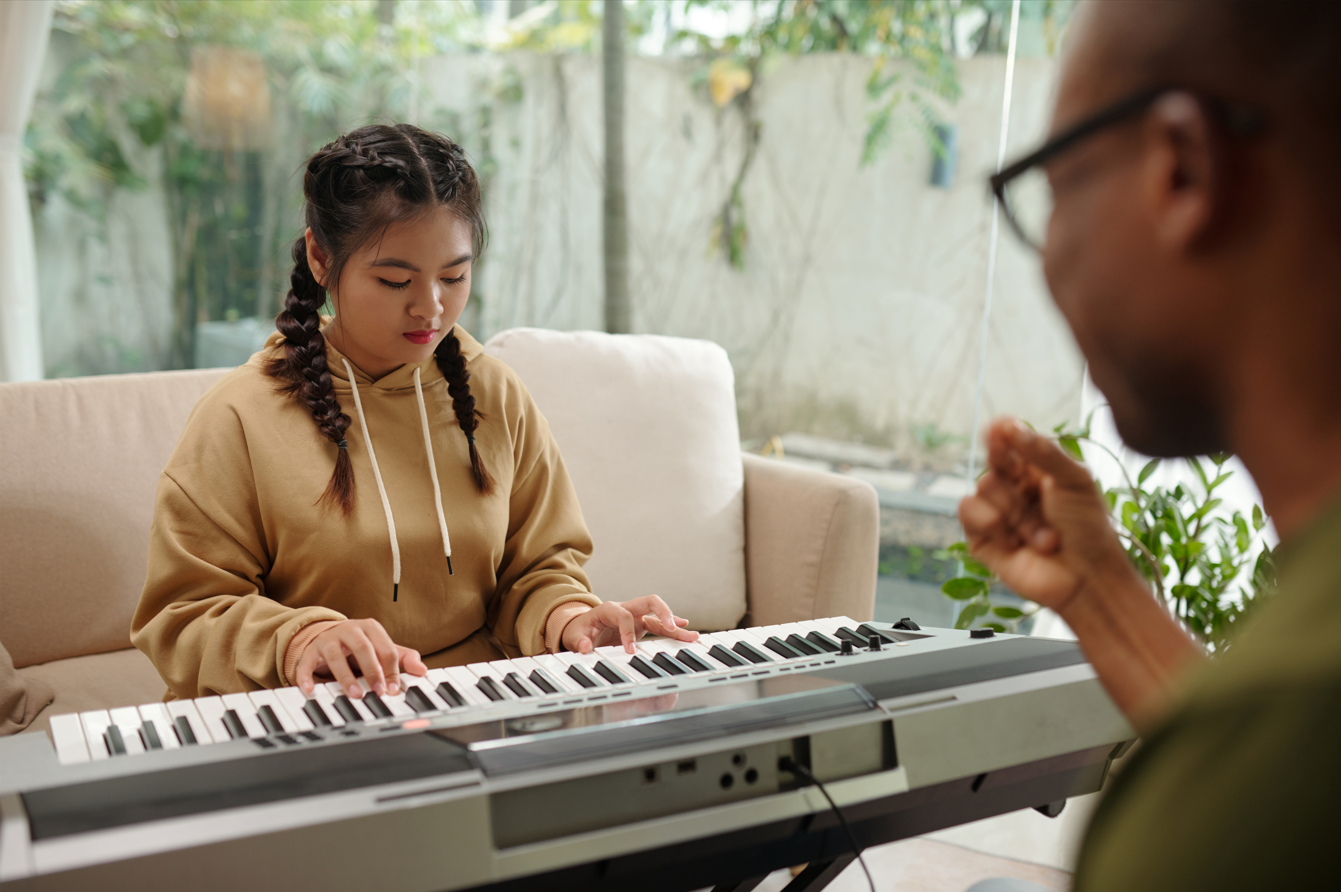
Setting up your physical space correctly allows your instructor to see your posture, hand positioning, and technique clearly. You do not need a professional recording studio, but you do need reliable equipment that captures both high-quality video and accurate sound for your teacher to evaluate.
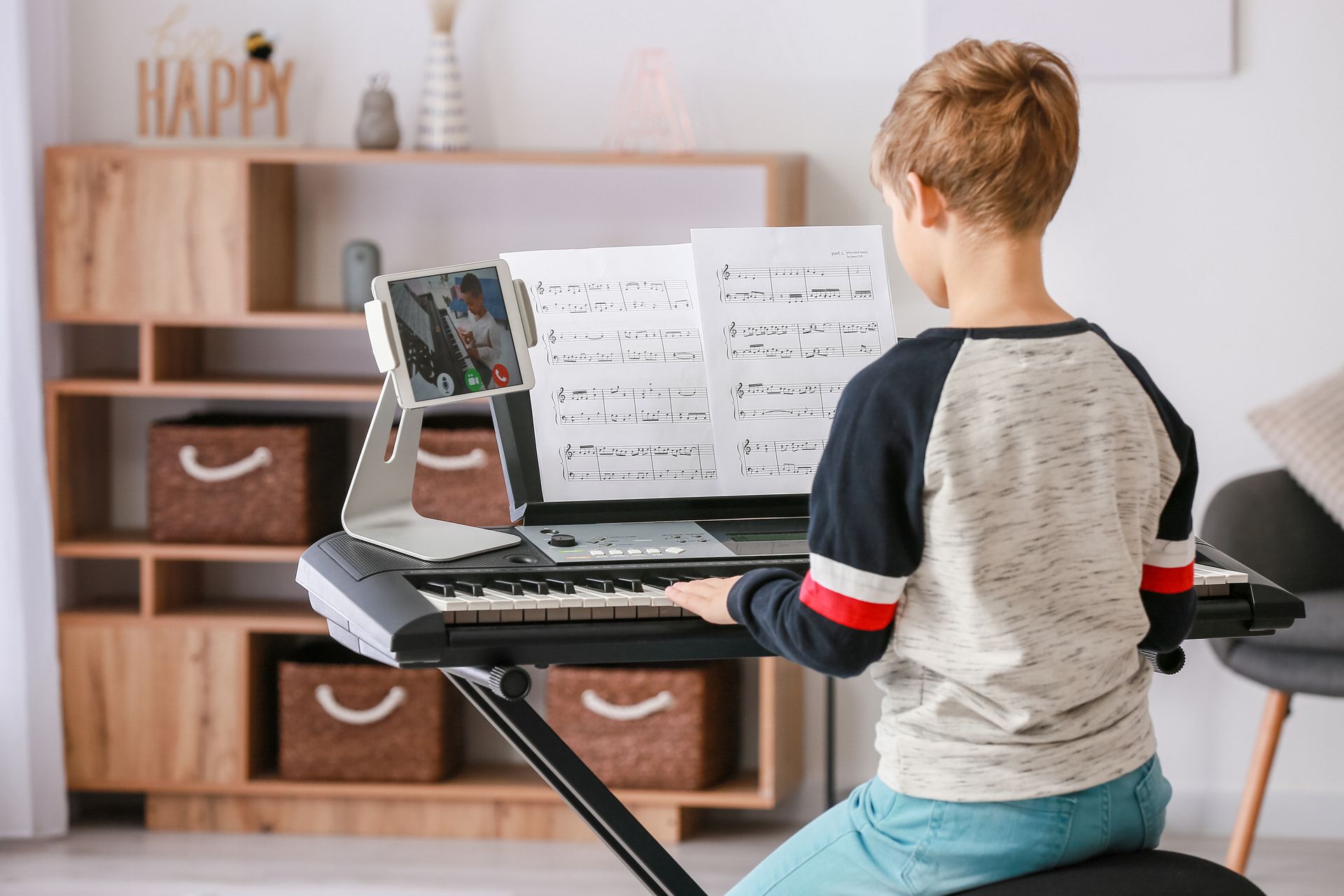
• Device placement: Use a laptop, tablet, or webcam positioned to show both your face and your hands on the keyboard simultaneously.
• Audio settings: Ensure your video conferencing software has original sound enabled to prevent the microphone from filtering out sustained piano notes.
• Lighting setup: Place a clear light source in front of you or above the keys, avoiding heavy backlighting from windows that heavily shadow your hands.
Red Flags to Watch for When Evaluating Virtual Instructors
Not all music schools have successfully adapted their curriculum for a remote environment. When searching for professional instruction, it is important to recognize warning signs that a teacher might lack the experience needed to guide virtual students effectively through complex musical concepts.
• No camera angle requirements: A teacher who does not insist on seeing your hands clearly cannot properly correct your fingering or wrist tension.
• Lack of provided materials: Instructors should provide sheet music and theory assignments well in advance to maximize actual playing time during the lesson.
• Poor audio setup on their end: If the teacher is using a low-quality laptop microphone that clips or distorts, you will not be able to hear subtle differences in tone or phrasing.
Questions You Must Ask Before Committing to Remote Study
Before you secure a spot for virtual learning, you need to understand exactly how the sessions will be structured and supported. Asking direct questions helps you determine if the program aligns with your specific goals, whether you are interested in piano or considering voice lessons down the road.
• How do you track progress and correct physical technique without being in the same room?
• Will we cover music theory, sight reading, and ear training during the video call?
• Do you offer flexible scheduling options for busy working professionals who need to study from home?
Do I Need A Real Piano For Online Lessons?
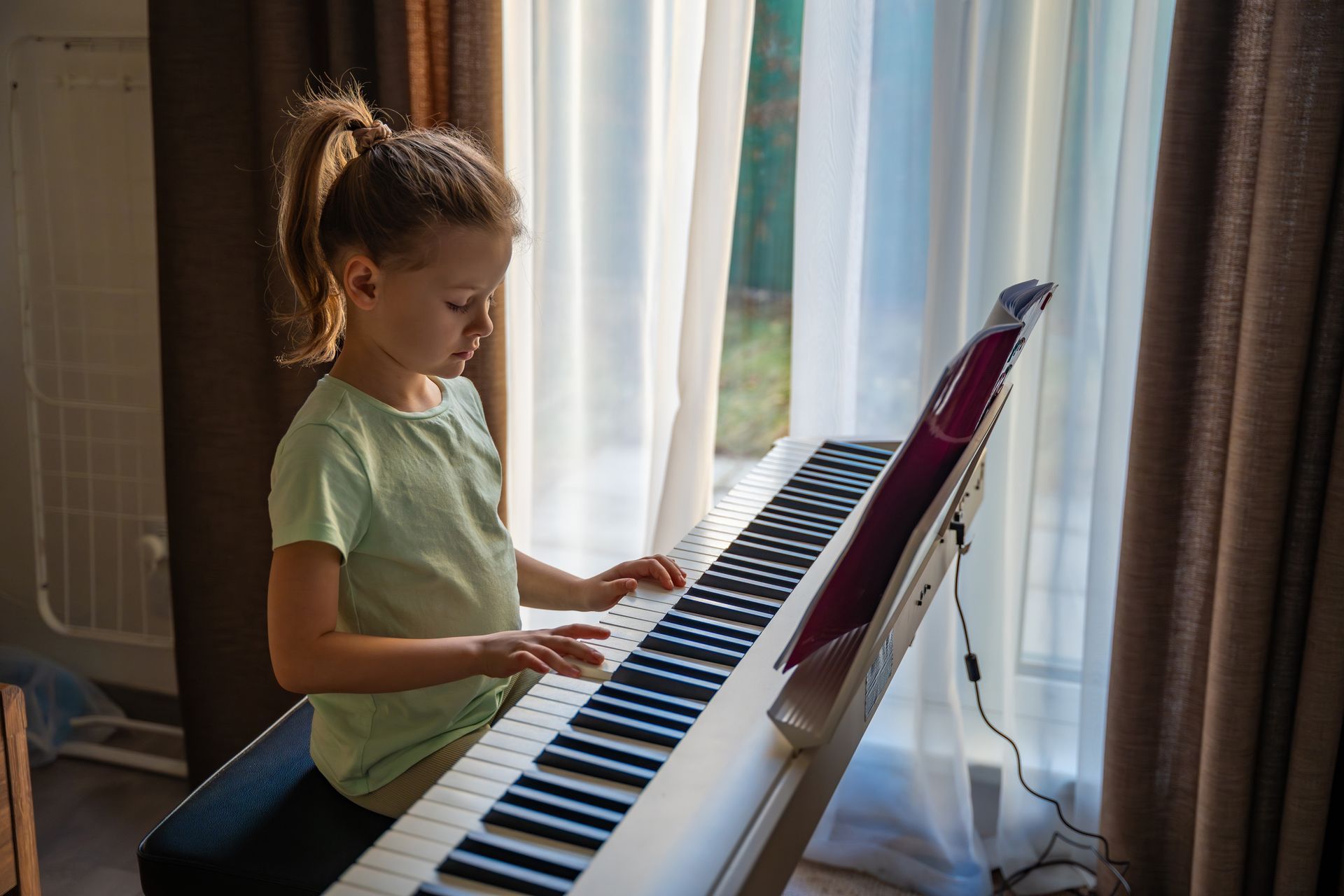
You do not strictly need an acoustic piano, but you must have a high-quality digital keyboard to build proper technique. A keyboard with 88 fully weighted keys is mandatory because it mimics the heavy action of an acoustic instrument, allowing you to develop true finger strength and dynamic control. Unweighted synthesizer keys will severely limit your ability to learn technical mastery and expressive phrasing.
Prepare Your Space for Musical Success
Creating a dedicated learning environment at home is the first major step toward achieving your musical goals. Our virtual students in Tribeca, NY, and beyond benefit from structured, personalized guidance that rivals any traditional studio experience. Contact us to learn more about starting your remote musical journey with the right equipment setup today!