5 Proven Ways to Manage Vocal Performance Anxiety for Singers
Stepping in front of an audience can trigger intense physical and psychological reactions for even the most talented singers. Finding an experienced vocal performance anxiety coach in NYC is the best way to develop reliable strategies that keep your nerves from hijacking your sound.
At Tribeca Music Studio, we help vocalists navigate the intense pressure of live shows with proven, practical techniques. Building a strong mental and physical foundation ensures you can sing with joy and confidence when the spotlight turns on.
In This Article:
- Tip #1: Ground Your Body Before Your Voice
- Tip #2: Release Psychological Blocks Through Toning
- Tip #3: Manage Breath Support Under Stress
- Tip #4: Communicate Clearly With Accompanists
- Tip #5: Focus on Storytelling Over Perfection
- Frequently Asked Questions
Tip #1: Ground Your Body Before Your Voice
Physical tension is the absolute enemy of a resonant, clear vocal tone. Before you even attempt to warm up your vocal cords, you must establish a grounded posture that supports optimal lung expansion.
• Posture alignment: Keep your feet shoulder-width apart and your spine neutral to open up the chest cavity fully before singing.
• Gentle stretching: Use neck rolls and shoulder shrugs to release trapped tension from the upper body, allowing for a relaxed larynx.
• Jaw relaxation: Massage the hinge of your jaw to prevent the tight, pinched sound often caused by nervousness and adrenaline.
Tip #2: Release Psychological Blocks Through Toning
Nerves often stem from emotional blocks that manifest as physical constriction in the throat and chest. Toning is a clinical vocal healing exercise that uses sustained vowel sounds to create internal vibrations, gently massaging the vocal tract from the inside out.
• Sustained vowels: Hold a single, comfortable pitch on an open vowel to physically stabilize your larynx without straining.
• Internal focus: Direct your attention entirely to the physical vibration in your chest and mask, ignoring external distractions in the room.
• Breath synchronization: Match your toning exercises with deep, rhythmic breathing to lower your heart rate naturally before a performance.
Tip #3: Manage Breath Support Under Stress
When adrenaline floods your system, your breathing naturally becomes shallow and rapid, which is disastrous for holding long musical phrases. Managing your breath support requires a conscious effort to engage the diaphragm and lower abdominal muscles rather than breathing from the chest.
• Diaphragmatic breathing: Focus on expanding your lower ribs and abdomen on the inhale, avoiding any upward shoulder movement.
• Controlled exhalation: Practice hissing on the exhale to regulate the steady release of air, which builds the stamina needed for difficult passages.
• Pre-show routines: Take five minutes before stepping on stage to practice box breathing, lowering your baseline anxiety safely.
Tip #4: Communicate Clearly With Accompanists
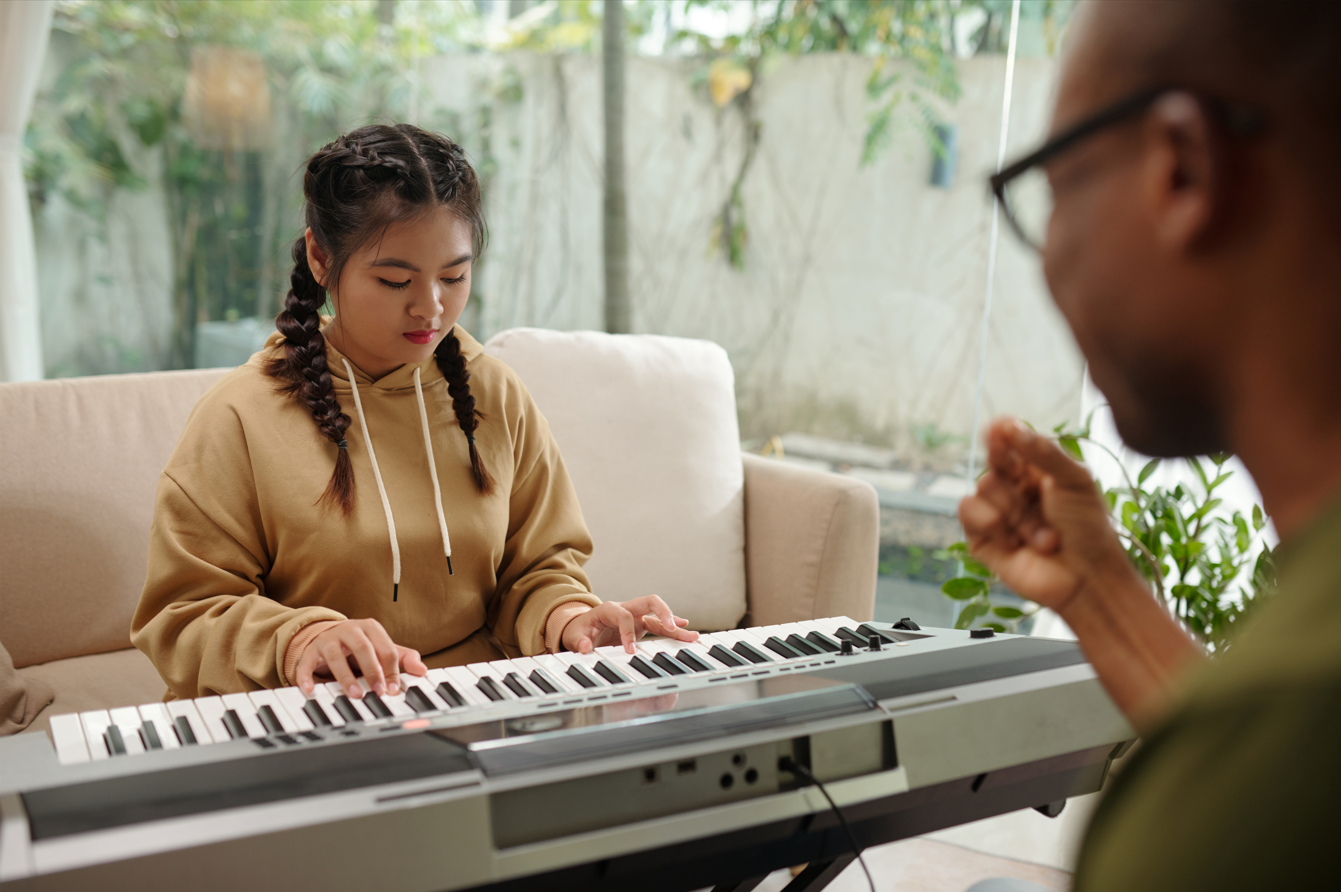
Many vocalists feel unnecessary panic simply because they are unsure how to interact with the musicians playing alongside them. Establishing clear communication with your accompanist before the show removes a major source of unpredictability and stage fright.
• Eye contact: Establish clear visual cues for the start and end of difficult passages or extended instrumental breaks.
• Tempo marking: Clearly demonstrate your preferred speed to the pianist before the song begins, rather than hoping they guess correctly.
• Recovery strategies: Agree on a specific backup plan in case you miss a lyric or skip a measure during the performance.
Tip #5: Focus on Storytelling Over Perfection
Audiences connect with the emotion and narrative of a song much more than they care about absolute technical perfection. Shifting your mindset from hitting perfect notes to conveying a meaningful story dramatically reduces performance pressure.
• Lyrical analysis: Spend time reading the lyrics aloud as a monologue to deeply understand the character and underlying emotion.
• Visual imagery: Create a mental movie for each song to keep your brain occupied with the story rather than your internal nerves.
• Musical integration: Whether you are focused on voice lessons or exploring traditional piano lessons, remember that expressing genuine feeling is always the ultimate goal.
Frequently Asked Questions
How Does Breathing Affect Vocal Nerves?
Shallow chest breathing triggers the sympathetic nervous system, heightening the fight or flight response and causing vocal tremors. Deep, diaphragmatic breathing stimulates the vagus nerve, which actively slows the heart rate and relaxes the muscles around the larynx. Mastering this breath control provides a reliable physical override to psychological panic, keeping your voice steady.
Can Vocal Healing Help With Stage Fright?
Yes, vocal healing uses gentle stretching and deep breathing to release physical manifestations of stress stored in the body. By guiding learners through self-exploration, this method uncovers and addresses the emotional blocks that trigger stage fright. The result is a much more relaxed, confident approach to sharing your voice with others on stage.
What Should I Do Right Before An Audition?
Avoid frantic, last-minute vocal runs that tire out your voice and increase mental clutter. Instead, engage in silent physical grounding exercises, steady your breathing, and hydrate with room temperature water. Focus entirely on the opening phrase of your song to ensure a strong, confident start when you walk into the audition room.
Claim Your Confidence on Stage
Overcoming stage fright is a steady process of retraining your body and mind to respond differently to performance pressure. Working with dedicated professionals right here in Tribeca, NY, provides the supportive environment needed to conquer your fears. Reach out to explore vocal techniques that will let your true voice shine without hesitation or fear.